Thermodynamic Laboratory
In this laboratory, applications of thermodynamics, heat transfer and air conditioning courses are carried out. The list of devices belonging to the thermodynamics laboratory is given in Table 1.
Table 1: Thermodynamics Laboratory Equipment
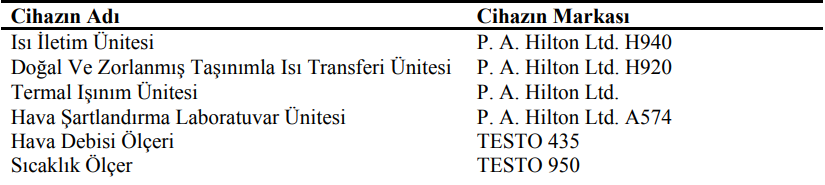
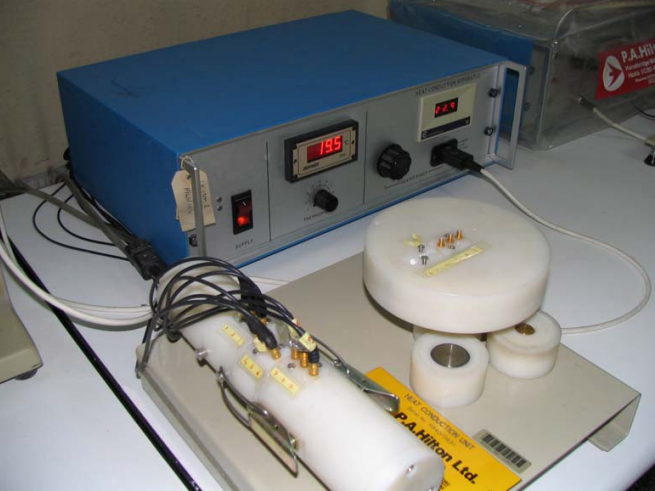
Figure 1: Heat Conduction Unit
With the Conduction Unit, experiments are carried out to calculate the heat conduction coefficient of the material by using Fourier's law of heat conduction in the plane made of the same material and to determine the change between temperature and length in the plane made of the same material. This experimental unit is used in the application of Heat Transfer course.
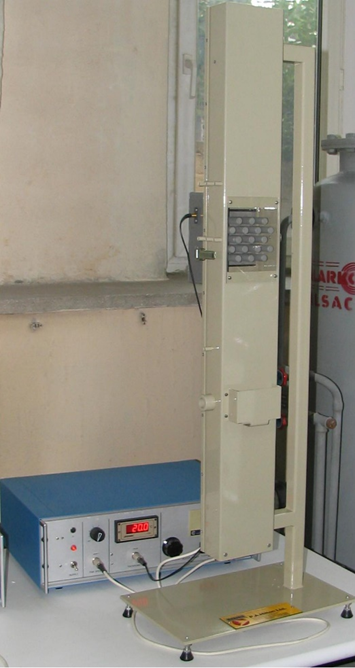
Figure 2: Natural and Forced Convection Unit
Within the scope of the heat transfer course, students are shown natural and forced convection heat transfer applications on the Natural and Forced Convection Unit. With the experimental unit, the heat transfer coefficient between the surface and the fluid in the case of natural and forced convection in various surface geometries and the related heat transfer are determined. The variation of the surface temperature with respect to the source temperature in natural convection and the variation of the air velocity with respect to the difference between the heater power input temperature and the ambient temperature in forced convection are investigated. In addition, the effect of extended surfaces can be determined by applying the same heating power input and air flow to flat plate surfaces as to finned or pinned surfaces.
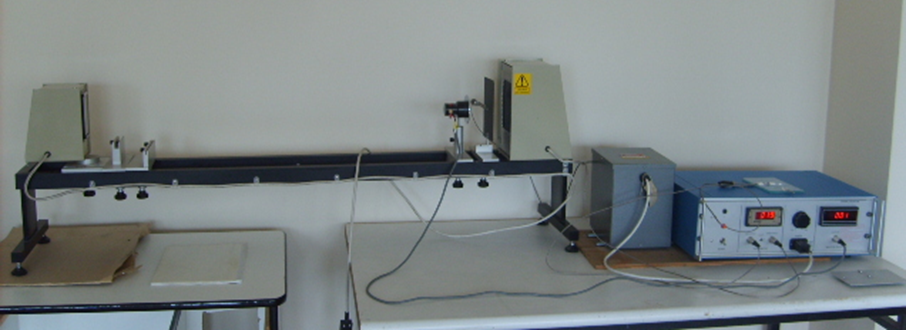
Figure 3: Radiation Unit
Within the scope of the heat transfer course, radiative heat transfer applications are shown to students with the Radiation Experiment Unit. Using this unit, Stefan-Boltzman law is explained and it is shown that the intensity of radiation on a surface is inversely proportional to the square of the distance between the radiation source and the surface. It is also shown that the radiation intensity varies with the fourth power of temperature.
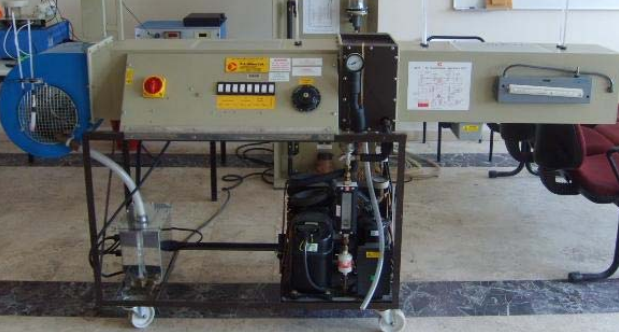
Figure 4: Air Conditioning Laboratory Unit
Air Conditioning Unit is shown to students within the scope of air conditioning course. Through this unit, hot, cold, humid or dry air can be produced. The properties of the air are shown on the psychrometric diagram. The volumetric efficiency of the compressor can be calculated and the cooling curve of the refrigerant in the system can be drawn. The operation of an air conditioning unit is examined experimentally and it is shown that theoretical calculations and experimental data agree.
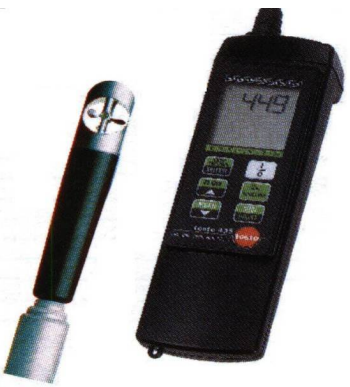
Figure 5: Air Flow Meter
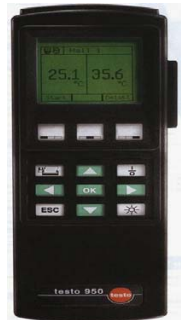
Figure 6: Temperature Meter
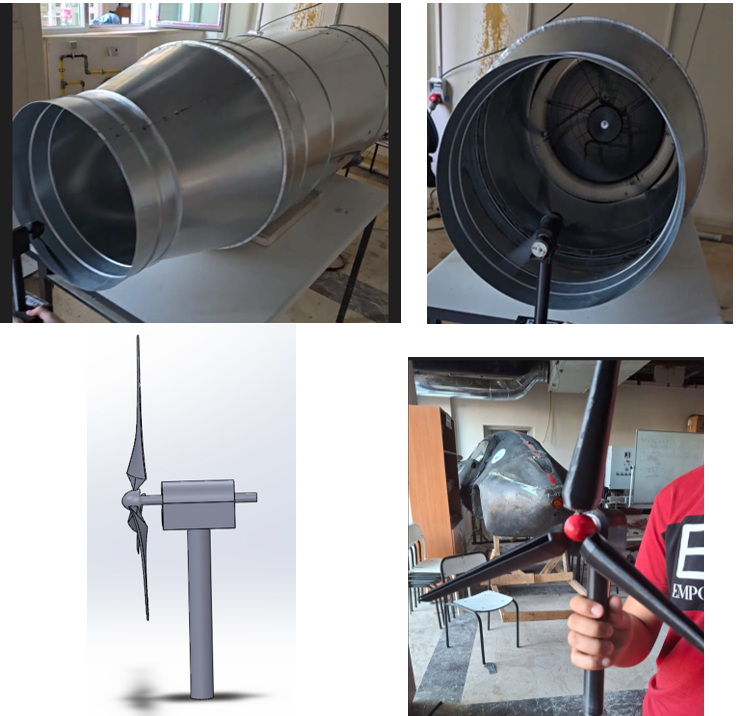
Figure 7: Wind Tunnel and Produced Blade Designs
With the Wind Tunnel Unit, blade designs and CFD flow analyzes are made in the Wind Energy course and the amount of power produced by the blades depending on the wind speed, rotational speed, number of revolutions, etc. are measured experimentally.